Rules and ethics
Voice search radio advertising UK: finding brands by sound
Voice search radio advertising UK: how listeners find brands by sound, from Alexa and Google Assistant to radio spots, with measurement and compliance.
What to take away
- In voice search radio advertising UK, spoken queries return one answer, so a brand must be the first name an assistant says in its category.
- The same words should appear in the radio script, the skill or action name and the flash briefing title.
- UK smart speaker inventory is sold as sponsored Alexa skills, Google Assistant actions, flash briefings and audio spots.
- Every audio ad sits inside the BCAP Code or the CAP Code, and listener tracking needs a lawful basis under the Data Protection Act 2018 and UK GDPR.
- Measure recall by asking a spoken question, because voice leaves no click to count.
How voice assistants choose one answer
A listener says "Alexa, find a mobile tyre fitter" or "Hey Google, find a mobile tyre fitter". Apple's Siri can take the same request, though it has no public brand skill directory like the Alexa Skills Store or Google Assistant Actions. The assistant compares that phrase with a short list of sources: an enabled skill, an action, a directory entry or a live radio stream. It returns one spoken result. There is no page of links to scan.
That single-answer habit shapes audio search behaviour in the UK. A brand that ranks fifth on a results page can still be invisible by voice. A brand that owns the phrase "tyre fitting near me" gets said aloud, once, in a listener's kitchen.
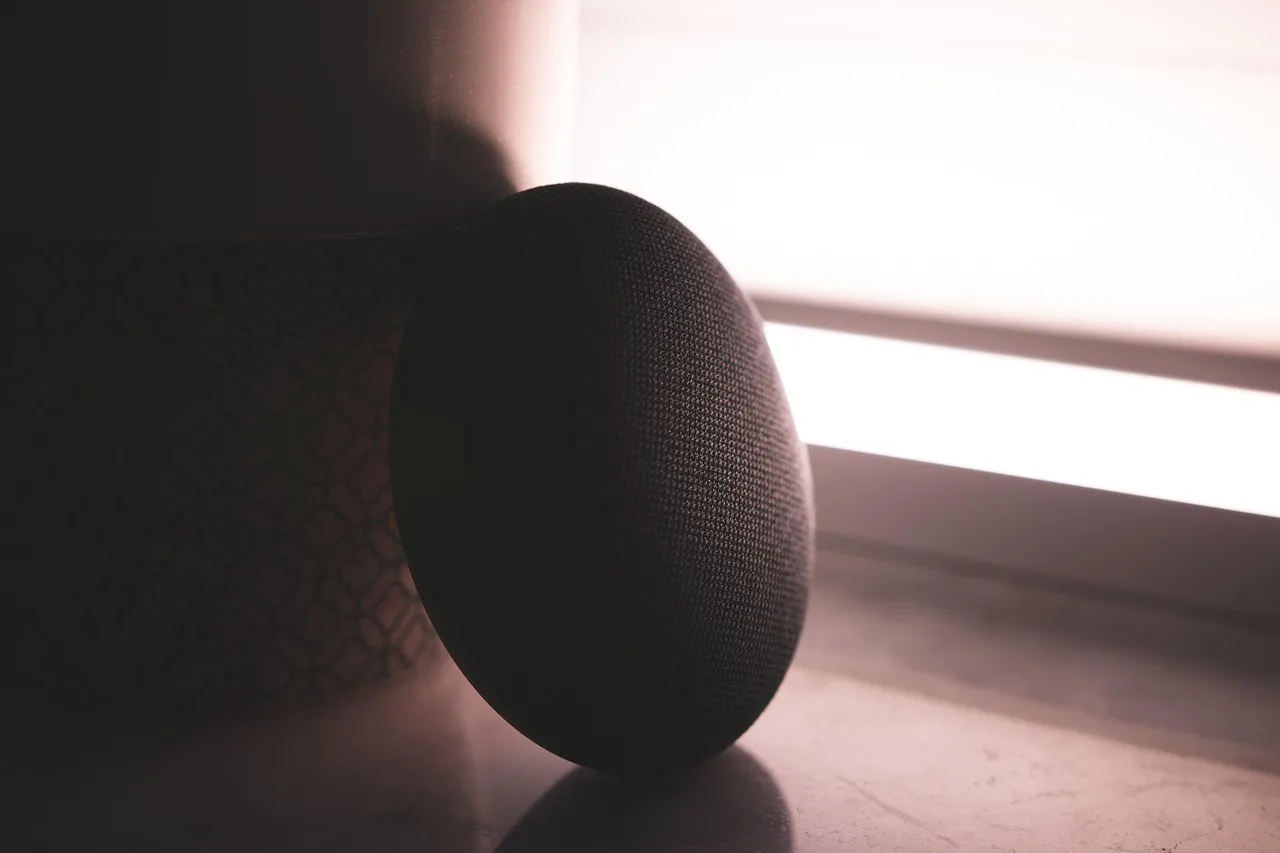
Smart speakers match a spoken command to an enabled skill, action or service, so the naming of a skill or action matters as much as its content. Alexa, Google Assistant and Siri each return one answer, which is why consistent wording across radio and voice matters.
Ofcom's Technology Tracker and RAJAR's MIDAS survey report UK smart speaker and voice assistant use. They are the sources to quote when you plan a campaign, and RAJAR is the radio audience measurement body stations use for listening figures.
Matching radio scripts to spoken queries
Radio has trained UK listeners for decades to hold a brand name in mind after a thirty second spot. Voice search rewards the same habit. If the spot says "Bristol Boiler Repair", the listener repeats those three words to a speaker.
A voice query is a sentence, not a keyword. Write the ad so the listener can repeat it word for word.
Write the script so the brand name and the service sit in one sentence. Avoid puns a voice assistant cannot spell. Say the town, say the trade, say the name, then repeat all three.
Voice assistant brand discovery depends on that repetition. A listener who hears the name four times in a week will say it to a speaker without checking a screen. The practical detail is in our guide to writing radio ad scripts.
Example: a plant hire firm in Wakefield
Consider a plant hire firm in Wakefield running a four week campaign on a commercial station such as Greatest Hits Radio West Yorkshire or Heart Yorkshire. The spot names the trade and the town. The firm then builds a short Alexa skill and a Google Assistant action that answer the same question with the same words.
Enquiries arrive by phone rather than through a website form. There is no click to count, so the firm asks every caller one question at the start of the call: how did you hear about us?
How smart speaker placements are bought
How it is bought
- Sponsored Alexa skill
- Flat fee or cost per action with a developer
- Flash briefing slot
- Weekly or monthly sponsorship
- Live radio spot on a smart speaker
- Airtime through a station or network
- On-demand audio in a station app
- Programmatic or direct deal
Suited to
- Sponsored Alexa skill
- Service brands with one clear question
- Flash briefing slot
- Local and news-led brands
- Live radio spot on a smart speaker
- Regional reach
- On-demand audio in a station app
- Listeners who already tune in
For the buying mechanics, see smart speaker advertising in the UK, which sets out sponsored Alexa skills and flash briefings. Skills are built through Amazon's Alexa Skills Kit and Google Assistant actions through the Actions Console. The station groups sell radio airtime through audio ad platforms such as Global's DAX and Bauer's Octave Audio.
A checklist before you record
- Say the brand name and the service in one sentence.
- Check that the skill or action name matches the words people actually say.
- Put the town or region in the first ten seconds.
- Ask the station or network's sales house for its exact placement list.
- Agree one question your team will ask every caller.
- Submit the script to the Radio Advertising Clearance Centre before booking airtime.
- Confirm your lawful basis for storing listener data under UK GDPR.
The rules that shape spoken ads
Every UK audio ad sits inside a code. Broadcast radio ads are regulated under the BCAP Code, enforced by the Advertising Standards Authority (ASA) and Ofcom, and are cleared before transmission through the Radio Advertising Clearance Centre. Non-broadcast online audio and sponsored skills fall under the CAP Code. Health, financial and children's products face extra restrictions that a thirty second spot can breach without care.
If you track who heard which spot, you need a lawful basis and clear consent for that marketing. The Data Protection Act 2018 and UK GDPR set the terms, and the Information Commissioner's Office (ICO) publishes guidance on direct marketing and consent for storing listener data and for attribution.
Common questions
Does voice search radio advertising UK work for small businesses?
Yes, when the brand owns one spoken phrase and repeats it in every spot. A local commercial radio spot is affordable for a small business, and RAJAR, the UK's radio audience measurement body, publishes the listening figures your station will quote. The recall test is the same.
Do I need an Alexa skill to appear in voice results?
Not always. A directory listing, a station stream or a flash briefing can carry the name. An Alexa skill or Google Assistant action gives you control over the exact wording. Apple's Siri has no equivalent public brand skill directory.
How do I measure a voice ad?
Ask every caller or web visitor one question about how they found you. Voice leaves no click, so self-reported attribution stays the most dependable signal.
Is a smart speaker ad different from a radio ad?
The script is close; the placement differs. Smart speaker inventory is bought as skills, briefings and audio spots rather than airtime alone.