Audience research
Part of How to run radio advertising audience research for campaigns
Customer interviews for radio advertising research
A practical guide to radio advertising customer interviews in England: who to recruit, what to ask, consent and how findings can inform media planning.
What to take away
- Six one-to-one listener interviews will explain a missed Leeds campaign faster than another round of desk research.
- Recruit six to twelve people per segment, mix heavy and light listeners, and pay a modest incentive.
- Data protection law covers recordings, so settle consent, storage and withdrawal before you press record.
- Interviews explain why people listen; ratings data tells you how many, and planning needs both.
Why interviews beat guesswork in England
England's radio market is crowded and local. A station that owns drive time in Birmingham may barely register in Bristol.
Interviews surface the reasons behind a habit: the school run, the kitchen radio, the podcast queue. Those reasons shape which daypart and script will work.
They also expose objections. A listener may enjoy your advert but distrust the phone number, or assume the offer excludes them.
Who to recruit and where
Use existing audience data alongside interviews: ratings can show where a station reaches people, while interviews explore why they listen.
Start from your customer list and your target listener profile. Recruit across England rather than inside the M25.
A buyer in Newcastle may answer to a different accent or time of day than one in Southampton.
The ICO step-by-step direct marketing guide for small businesses sets out how to approach people lawfully. It covers consent and opt-out handling, which matters when you invite customers to take part. The relevant data protection framework is the UK GDPR and the Data Protection Act 2018.
Designing questions that earn their place
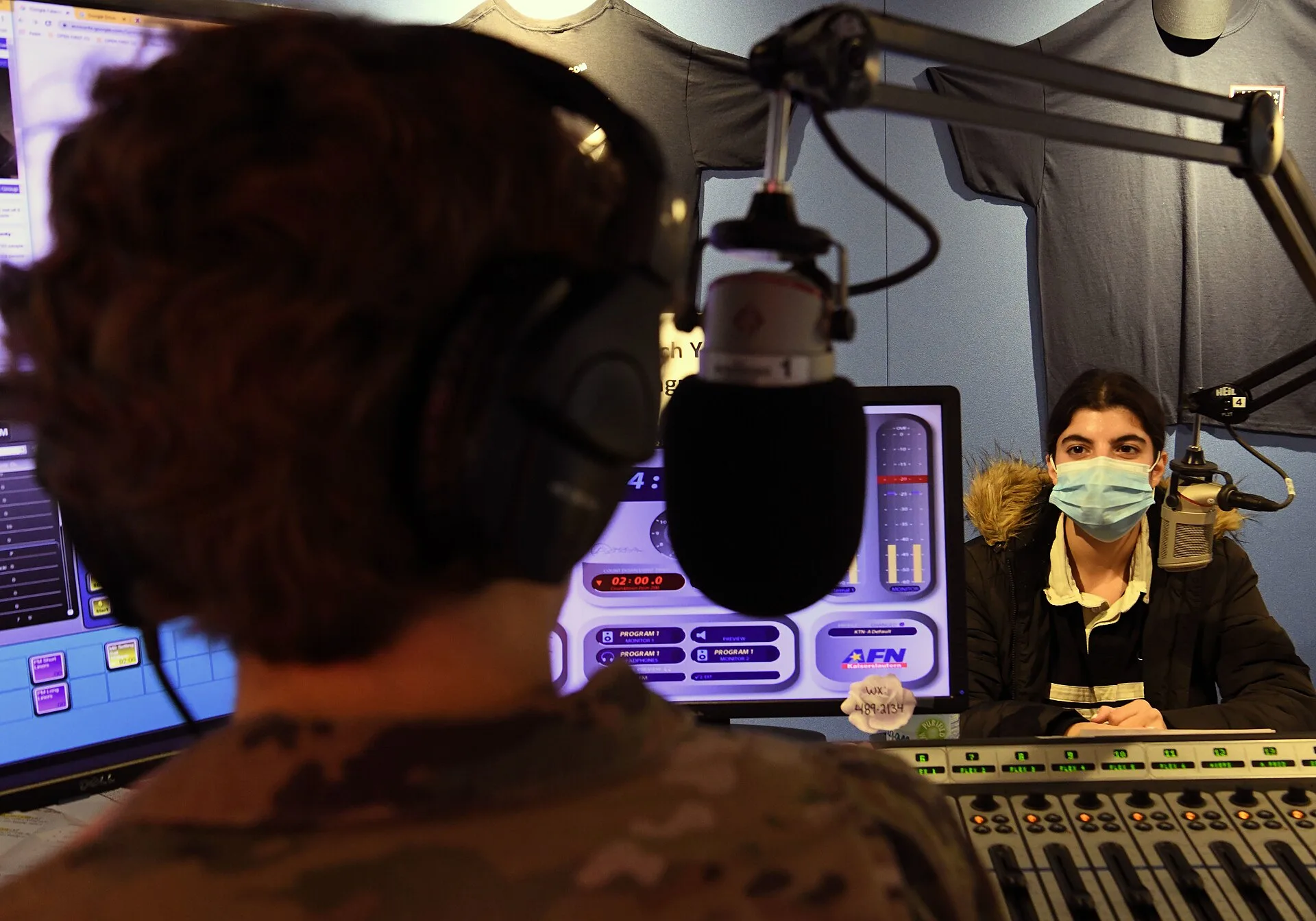
Keep sessions to 30 or 40 minutes. Ask about the last time they listened and what they remember from that ad break.
Interview session rules
- Keep sessions to 30 or 40 minutes
- Ask about last listening and ad recall
- Ask what it was selling and for whom
- Probe one point at a time, then stay quiet
- Record only with clear permission
- State retention period and withdrawal method
Do not ask whether they liked your advert. Ask what they think it was selling and who it was for. Recall beats approval.
Probe one point at a time. If someone mentions breakfast radio, ask what else they were doing, then stay quiet.
Record only with clear permission, say how long you will keep the file, and explain how to withdraw.
Turning answers into media decisions
Group responses into themes: daypart, station type, creative style, offer clarity.
Compare themes with your planned schedule. If most participants listen in the car before 9am, a late-evening slot needs strong justification.
Where a theme concerns a rival's activity, record what you observed separately from what participants say. Interviews are not proof of a competitor's schedule or claims.
Writing up findings
Produce a two-page summary: themes, supporting quotes, and one recommended change to the schedule or script.
Testing before scaling
Pilot the strongest theme, for example £600 across two weeks on one station, before buying more airtime.
The IPA effectiveness research library collects evidence on what makes advertising work, useful when justifying a pilot to a finance director.
Common mistakes and how to avoid them
Leading questions ruin interviews. Mention the answer inside the question and you will get it back.
Recruiting only loyal customers produces flattering findings. Add people who bought once and never returned.
Skipping consent paperwork creates a legal risk that outweighs any insight gained.
If interview findings later feed a promotion, check the CAP Code rules for non-broadcast ads, because any claim you make must be substantiated.
Ignoring non-listeners is another trap. They will not hear your spot, but they can explain why radio suits only part of your audience.
A short glossary
- Daypart
- a named time block in a station's schedule, such as breakfast or drive.
- Reach
- the number of different people who hear a station or campaign in a period.
- Verbatim
- a direct quote from a participant, used to illustrate a theme.
- Segment
- a group of listeners or customers who share a defining trait.
Common questions
How many interviews do I need before findings mean anything?
Six to twelve per segment is a workable start for a small advertiser. Stop when new interviews stop producing new themes.
Can I record interviews without written consent?
You need a lawful basis and clear information for participants. The UK GDPR and Data Protection Act 2018 apply to personal data; check the ICO's guidance for consent and opt-out duties.
Should interviews replace audience ratings data?
No. Interviews explain behaviour; ratings and reach data from RAJAR (Radio Joint Audience Research) helps size the opportunity. Use both when planning a schedule.
Do I need to cover the whole of the UK?
Only if you buy UK-wide airtime. For English stations, recruit inside those transmission areas so findings match the audience you pay for.